Bird-Flu maybe develop from
2013-06-26
Experts: Bird-Flu maybe develop from
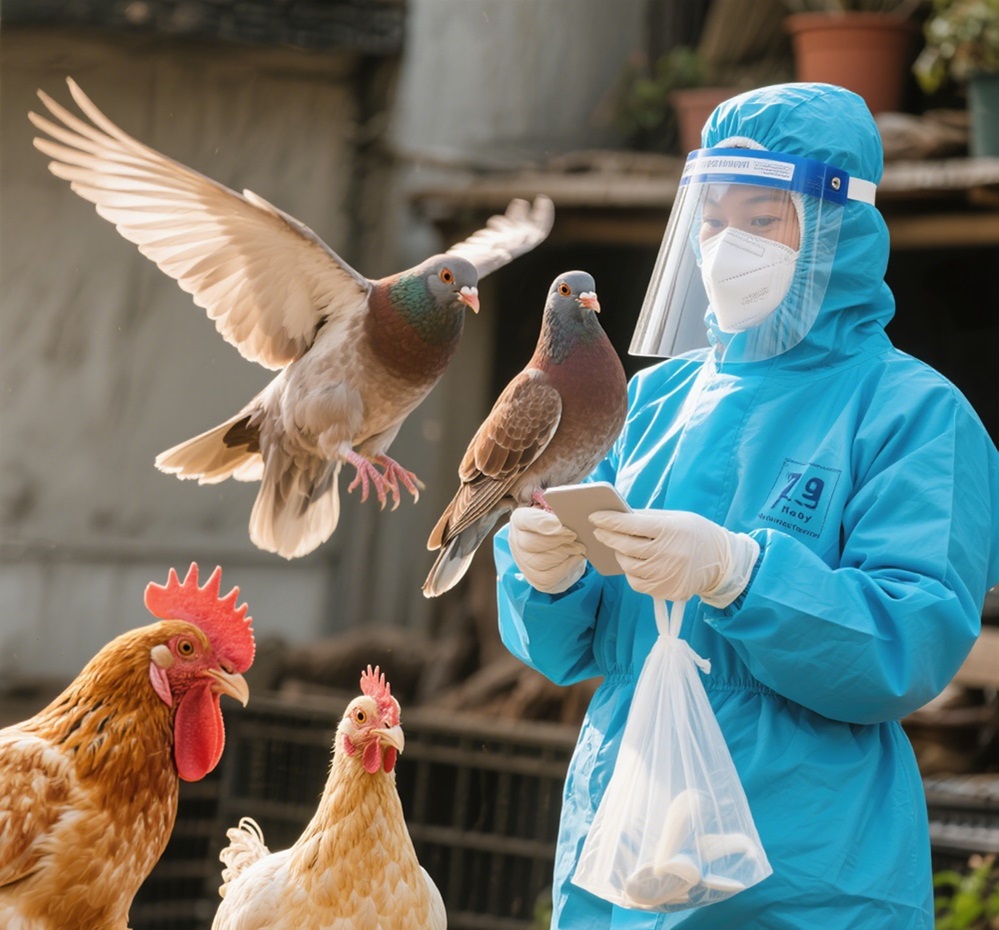
In recent times, the specter of bird flu, scientifically known as avian influenza, has loomed large, captivating the attention of the global community. This highly contagious viral disease, primarily affecting birds, has the potential to mutate and pose significant threats to both animal and human health. As experts delve deeper into the origins and evolution of bird flu, they are uncovering a complex web of factors that could contribute to its further development.
One of the key areas of concern is the role of wild birds in the spread and evolution of bird flu. Wild birds, particularly migratory species, can carry the virus over long distances, acting as silent carriers and spreading it to new regions. For instance, certain strains of the H5N1 virus have been detected in wild birds across different continents. These birds can come into contact with domestic poultry, such as chickens and ducks, on farms or in wet markets. Once the virus jumps from wild birds to domestic poultry, it can quickly spread within the poultry population due to the close living conditions in many farming operations. This provides an ideal environment for the virus to mutate and adapt, potentially becoming more virulent or transmissible.
Another factor that experts believe could contribute to the development of bird flu is the practice of intensive poultry farming. In large-scale poultry farms, thousands of birds are often raised in close proximity. This overcrowding not only facilitates the rapid spread of the virus but also increases the chances of mutations occurring. When the virus replicates within the bodies of infected birds, errors can occur in its genetic code. In a densely populated poultry environment, these mutated viruses have more opportunities to spread and potentially gain new characteristics. For example, a mutation might enable the virus to better infect different species or become more resistant to existing vaccines or antiviral drugs.
Furthermore, the emergence of new subtypes of the bird flu virus is a significant concern. The influenza A virus, which causes bird flu, has a high mutation rate. New subtypes can arise through genetic reassortment, where different strains of the virus exchange genetic material. This process can occur when a host, such as a bird, is infected with multiple strains of the virus simultaneously. The resulting new subtype may have unique properties, such as enhanced transmissibility or the ability to infect a wider range of hosts. In the past, the emergence of novel subtypes like H5N1 and H7N9 has led to serious outbreaks, highlighting the importance of closely monitoring for new genetic combinations.
The impact of bird flu on the economy and food security cannot be overstated. Outbreaks often lead to mass culling of poultry to prevent the spread of the virus, resulting in significant economic losses for farmers. In addition, concerns about the safety of poultry products can lead to a decrease in consumer demand, further disrupting the agricultural and food industries. For example, during severe bird flu outbreaks, the price of eggs and poultry meat may fluctuate wildly, affecting both producers and consumers. This economic instability can have far-reaching consequences, especially in regions where the poultry industry is a major source of income and employment.
To address the potential development of bird flu, experts advocate for a multi-faceted approach. Strengthening surveillance systems is crucial. This involves closely monitoring wild bird populations, domestic poultry farms, and any signs of unusual illness in animals or humans. By detecting the virus early, authorities can take prompt action to contain outbreaks and prevent further spread. Additionally, improving biosecurity measures on poultry farms is essential. This includes measures such as strict hygiene protocols, limiting access to farms, and proper disposal of poultry waste. Vaccination programs for poultry can also play a role in reducing the impact of bird flu, although developing effective vaccines that can keep up with the constantly evolving virus is a challenge.
In conclusion, while bird flu currently poses a significant threat, understanding its potential development from various factors is key to effectively combating it. Through continued research, improved surveillance, and enhanced preventive measures, the global community can work towards minimizing the risks associated with this ever-evolving viral disease and safeguarding both animal and human health, as well as ensuring economic stability in the agricultural sector.
HIDA Med Supply Chain Conference in Florida USA
Information of Bird-Flu How bad